The Twelve-Item Table: What Alicia Matthew’s Tiny Merch Line Taught Us
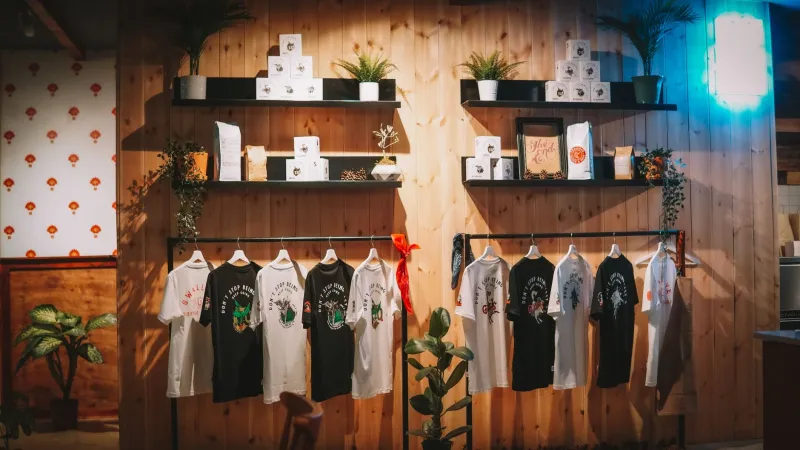
At a recent stop in Minneapolis, Alicia Matthew’s merch table looked less like a store and more like a well-edited suitcase. Twelve items. One table. No mystery bundles, no QR-code scavenger hunt, no spend-$100-to-unlock-the-secret-poster routine. The experiment was simple: sell a deliberately tiny lineup and see what happens when the table has to tell a story instead of just move units.
The Rules of the Table
The lineup was fixed for the 2026 dates. Every city got the same twelve items, with a few city-specific poster numbers. There were no online exclusives waiting to undercut the room, and no surprise restocks designed to make fans refresh a page at midnight. If you were at the show, you saw the whole table. That was the point.
The Twelve Items
- The tour-only T-shirt. A single design, printed on a soft cotton tee, with the 2026 dates on the back. It was the easiest sell and the first thing to run out in most rooms.
- The hand-numbered poster. Limited to 150 per city, numbered in pencil, and sized to fit a standard frame. It turned the table into a small ritual: pick a number, roll it carefully, carry it home.
- The enamel pin. Small, cheap, and collectible. It became the item fans bought when they wanted to participate without spending a lot.
- The canvas tote. Plain, sturdy, and useful. It was the quiet grown-up purchase—the item that showed up at grocery stores weeks later.
- The lyric notebook. A small book of reproduced handwritten lyrics and studio notes. It was the most personal thing on the table and the one fans flipped through before buying.
- The postcard set. Six rehearsal-room photos, no captions. It felt like ephemera from a friend’s desk drawer rather than a marketing asset.
- The baseball cap. Simple logo, no tour dates. It was the item that did not scream “merch,” which was probably the reason it sold.
- The socks. A playful pair with a tiny lyric stitched near the toe. It was the table’s icebreaker and the item most likely to get a laugh.
- The sticker sheet. Six small designs, priced low. Fans traded them in line and stuck them on laptops before the show ended.
- The water bottle. Reusable, unbranded on one side, dated on the other. It was the practical souvenir for people who did not want another T-shirt.
- The signed setlist print. A reproduction of that night’s setlist, signed in a small batch. It became the quiet status item—the thing people asked about after the show.
- The cassette tape. A limited live demo from the 2026 rehearsals. It was the smallest run on the table and the fastest to become a fan-forum trade.
What Fans Did
The T-shirt sold out first, which was predictable. The poster created the longest line, which was not. Fans stood at the table comparing numbers, not because the numbers meant anything, but because the ritual gave them a reason to talk to each other. The sticker sheet became currency among teenagers. The signed setlist print became the item people whispered about.
Fan reactions were not uniformly glowing. Some people wanted more sizes. Some wanted a hoodie. Some wanted a cheaper option for a friend who had come along but was not a superfan. The table did not answer every request, and that was part of the experiment. A tight lineup creates clear choices, but it also creates clear omissions. The question is whether the omissions feel like editing or like a missed sale.
Sales Lessons
Fewer SKUs made the table easier to run. The crew could restock in minutes. Volunteers could learn the whole menu in one pass. Sell-through was higher because there was less dead inventory to carry from city to city. The table looked intentional instead of picked over.
The lesson is not that every artist should sell twelve items. A bigger catalog or a different audience might need more options. The lesson is that a tight lineup can make the table legible. Fans did not have to decode a bundle matrix or compare four versions of the same shirt. They saw twelve things, picked the one that matched their ritual, and moved on. That is a different kind of conversion—less pressured, more personal.
The Case for Restraint
In an era of endless tour bundles, Matthew’s 2026 table was a small act of refusal. It refused the idea that more options equal more value. It refused the clutter that turns a merch line into a scavenger hunt. It also fit her broader 2026 choices: smaller rooms, leaner production, fewer public posts. The table became an extension of the venue philosophy—less scale, more attention.
There is a risk in romanticizing restraint. A twelve-item table only works if the items are good and the prices are fair. Restraint without quality is just a short menu. But when it works, it gives fans a cleaner way to participate. They are not buying a bundle. They are buying a small piece of the night.
What Comes Next
Matthew has not said whether the twelve-item table will return. The experiment revealed as much about her audience as it did about her brand: fans want a story, not a warehouse. If the next phase is about depth over scale, the table is a useful test case. It proved that a smaller lineup can feel bigger than a crowded one—as long as every item on the table has a reason to be there.